Quick summary
Sumo dining at a glance
| Option | What | Roughly |
|---|---|---|
| Tournament package meal | Chanko hot pot (or vegetarian) bundled with S/A seat + guide, during the November basho | Included in package price — live calendar below |
| Arena lunch | Bento, yakitori, beer at Kokusai Center stalls, eaten at your seat | ~¥1,000–2,000 per person |
| Sumo dinner show | Year-round: bouts + all-you-can-eat chanko-nabe + photo | From ~US$99 (details) |
| Chanko restaurant | Sit-down chanko in the city, often ex-wrestler-run | ~¥3,000–5,000 per person |
| Yatai night | Nakasu riverside open-air stalls — ramen, gyoza, oden | ~¥2,000–3,000 with drinks |
The dish
Chanko-nabe: what wrestlers actually eat
Every sumo stable eats chanko-nabe daily: a communal hot pot of chicken or fish, tofu, cabbage, mushrooms and root vegetables in a dashi or miso broth, ladled over rice. Junior wrestlers cook it; seniors eat first. The dish isn't fattening by design — it's balanced and protein-heavy. Wrestlers get big through sheer volume, the post-meal nap and five hours of morning training, not through the recipe. Which is why chanko makes such good tourist food: you're eating a genuinely healthy stew with a great backstory.
Tradition note: stables favour chicken chanko during tournaments — a chicken stands on two legs, never on all fours like a defeated wrestler. Superstition seasons everything in sumo, including the soup.
Three ways to eat it
- With the tournament package — chanko as part of the guided basho day, so the meal lands inside the experience instead of after it. Vegetarian option available at booking.
- At a dinner show — the year-round option: all-you-can-eat chanko while former pros fight metres away. The prices page breaks down what's included.
- At a chanko restaurant — several around Fukuoka and every sumo city are run by retired wrestlers; during the November basho you may share the room with active ones. Ask your hotel for the nearest ex-rikishi kitchen; they book out on tournament nights.
Inside the arena
Lunch at the Kokusai Center: bento culture, done right
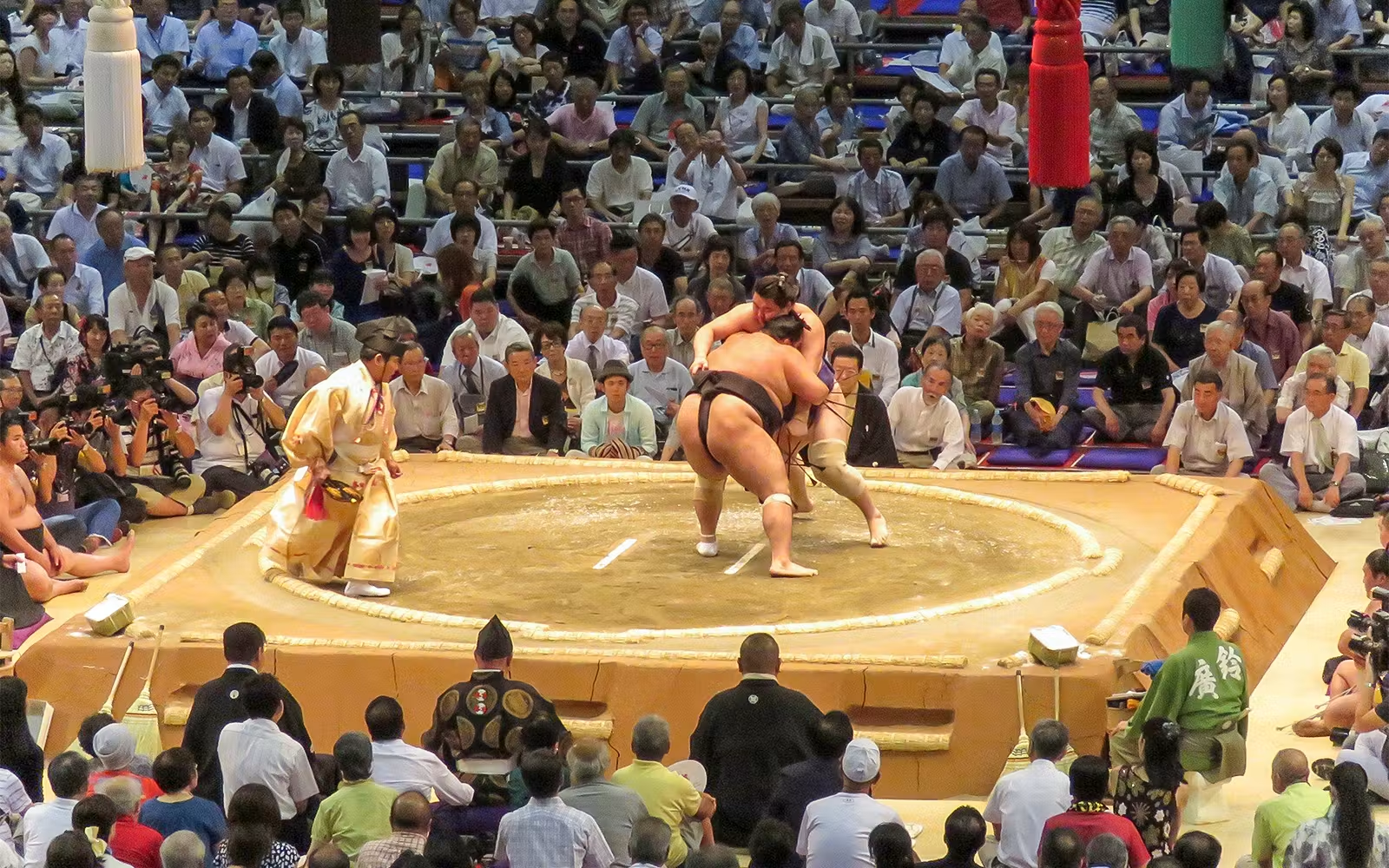
A basho afternoon is Japan's most relaxed stadium meal. Beer and bento during the jūryō bouts, sweets through the ceremonies, another round as the yokozuna appear — nobody shushes you for unwrapping anything.
- Buy before 14:00. Stall queues peak between the two dohyō-iri ceremonies; the popular bento styles sell through on weekend days.
- Budget ~¥1,000–2,000 a head for a bento, a snack and a drink. Stall lineups change yearly — treat specific menus you've read about online as suggestions, not promises.
- Box seats are built for this. The tatami masu-seki turn lunch into a picnic; chair rows manage fine with a lap and a drink holder. Seating details in the venue guide.
- Outside food policies are set per tournament by the organiser — check current rules rather than assuming either way. Large luggage stays out of seating areas regardless.
After the final bout
Dinner near the Kokusai Center: where Hakata takes over
The arena empties at 18:00 into one of Japan's best eating cities. Realistic post-sumo routes, in walking order:
- Bayside Place Hakata (10 min east): harbourside complex with casual seafood — the quick, no-planning option before the crowds commit elsewhere.
- Nakasu yatai stalls (15–20 min south): the riverside line of open-air food carts that defines Fukuoka nightlife — tonkotsu ramen, yakitori, oden, gyoza under lanterns. Stalls run evening-to-late and November's cool air is exactly their season. Cash, elbows-in seating, unforgettable.
- Kawabata arcade & Kushida Shrine area (15 min): old-Hakata shopping street with unagi, udon and mochi institutions on the walk back toward the subway.
- Hakata Station food floors (25–30 min or short bus): the practical dinner cathedral — ramen street, izakaya floors, department-store depachika counters for shinkansen picnics.
- Wrestler-spotting bonus: stables lodge across the city during the basho, and rikishi in yukata are a normal evening sight around Hakata and Tenjin. A polite nod beats a selfie ambush — they've been throwing people since breakfast.
One booking, seat and dinner solved
The tournament package pairs premium seats with the chanko meal; the year-round show makes the meal the main event. Either way, you won't plan dinner twice.
FAQ
Sumo & dining — quick answers
Does the tournament package include dinner or lunch?
It includes a chanko hot pot meal (vegetarian option at booking) as part of the ~4.5-hour guided experience, alongside S/A-class seating and the English-speaking expert.
What exactly is in chanko-nabe?
Typically chicken or fish, tofu, cabbage, leeks, mushrooms and root vegetables simmered in dashi or miso broth, eaten with rice. Recipes vary by stable and restaurant.
Can vegetarians do the sumo dinner experiences?
The tournament package offers a vegetarian meal option — select it at booking. For the year-round show, flag dietary needs when booking and check the current listing's notes.
Is food expensive inside the arena?
No — bento and drinks run normal festival prices, roughly ¥1,000–2,000 for a solid lunch. It's one of Japanese sport's better food deals.
Are the yatai stalls open in November?
Yes — November's crisp evenings are peak yatai weather. Stalls generally run from early evening into the night; individual carts keep their own days off.
Where can I eat chanko outside tournament season?
Chanko restaurants operate year-round in Fukuoka and other cities, and the sumo dinner show serves all-you-can-eat chanko daily with the wrestling included — see prices.
Hungry and decided?
Seats, sumo and the stew that powers it — book the combination that fits your dates.